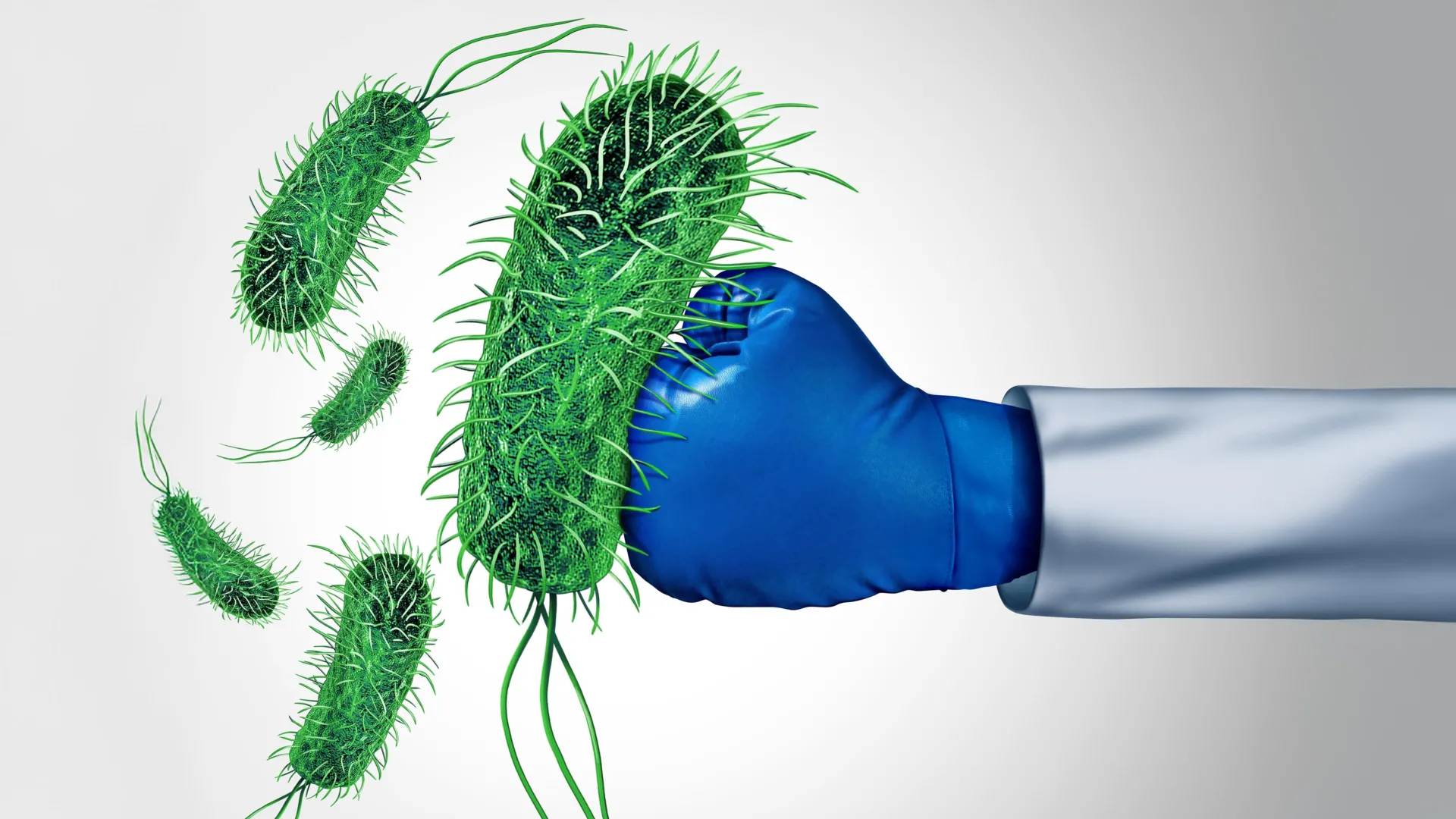
Madecassic acid, known in Korean skincare as a calming ingredient, has been identified by scientists at the University of Kent as a potential aid in the fight against antibiotic-resistant bacteria. The study, conducted in collaboration with University College London (UCL), suggests this plant-derived compound could address one of the most significant global health threats.
Read More
The researchers utilized computer-based screening and laboratory experiments to investigate madecassic acid, which is derived from Centella asiatica, a medicinal herb used widely in Asia. Their findings indicate that the compound possesses strong antibacterial properties, potentially leading to the development of new drugs.
This research is particularly timely given the rising incidence of drug-resistant infections, with experts warning that antimicrobial resistance could result in up to 39 million deaths worldwide between 2025 and 2050. As the process of developing new antibiotics is often slow and costly, identifying effective compounds from natural sources is crucial. The study highlights how modern research methods can uncover the medicinal capabilities of plant-based chemicals.
The research, published in RSC Medicinal Chemistry, demonstrates that madecassic acid can inhibit the growth of antibiotic-resistant E. coli. It achieves this by targeting the cytochrome bd complex, a protein system essential for bacterial respiration and survival during infections. This system is absent in humans and animals, making it a viable target for new antimicrobial treatments.
The study also explored modified versions of madecassic acid. After extracting the compound from a plant sample in Vietnam, researchers created three variants, all of which effectively blocked the cytochrome bd complex and halted bacterial growth. Notably, one variant was able to kill E. coli at higher concentrations.
Moving forward, scientists aim to refine these compounds to enhance their effectiveness and assess their potential as future medications.
In addition to its medical applications, the research could provide insights into how madecassic acid interacts with the skin's microbiome when used in skincare products, contributing to a better understanding of its overall biological effects. Dr. Mark Shepherd, Reader in Microbial Biochemistry at Kent, emphasized the long history of plants as sources of natural medicines and noted the importance of contemporary research in revealing their mechanisms of action. He highlighted the exciting potential of further understanding natural antimicrobials derived from plants.