Fashion House Maison Margiela recently made its archives public through a Dropbox folder, granting access to internal documents such as runway schedules, fittings, and project timelines for exhibitions. This initiative reveals material that typically circulates among studios and production teams, presenting it in an open-ended format without a guided pathway.
Read More
The decision by Margiela, a brand known for its mystique, is seen as a significant move in redefining engagement with consumers. Fashion commentator Mandy Lee remarked on TikTok that this approach reflects a cultural shift in the industry, suggesting that courage and innovation are crucial for a brand’s longevity. By digitizing and organizing its archives, Margiela is tapping into a growing curiosity about the creative processes behind fashion.
Historically, the luxury fashion industry relied on exclusivity, with special pieces like couture gowns maintaining their desirability through scarcity. However, this trend appears to be shifting towards greater accessibility. Jess Graves, a New York-based fashion writer, highlighted that luxury now increasingly equates to exceptional access rather than just craftsmanship.
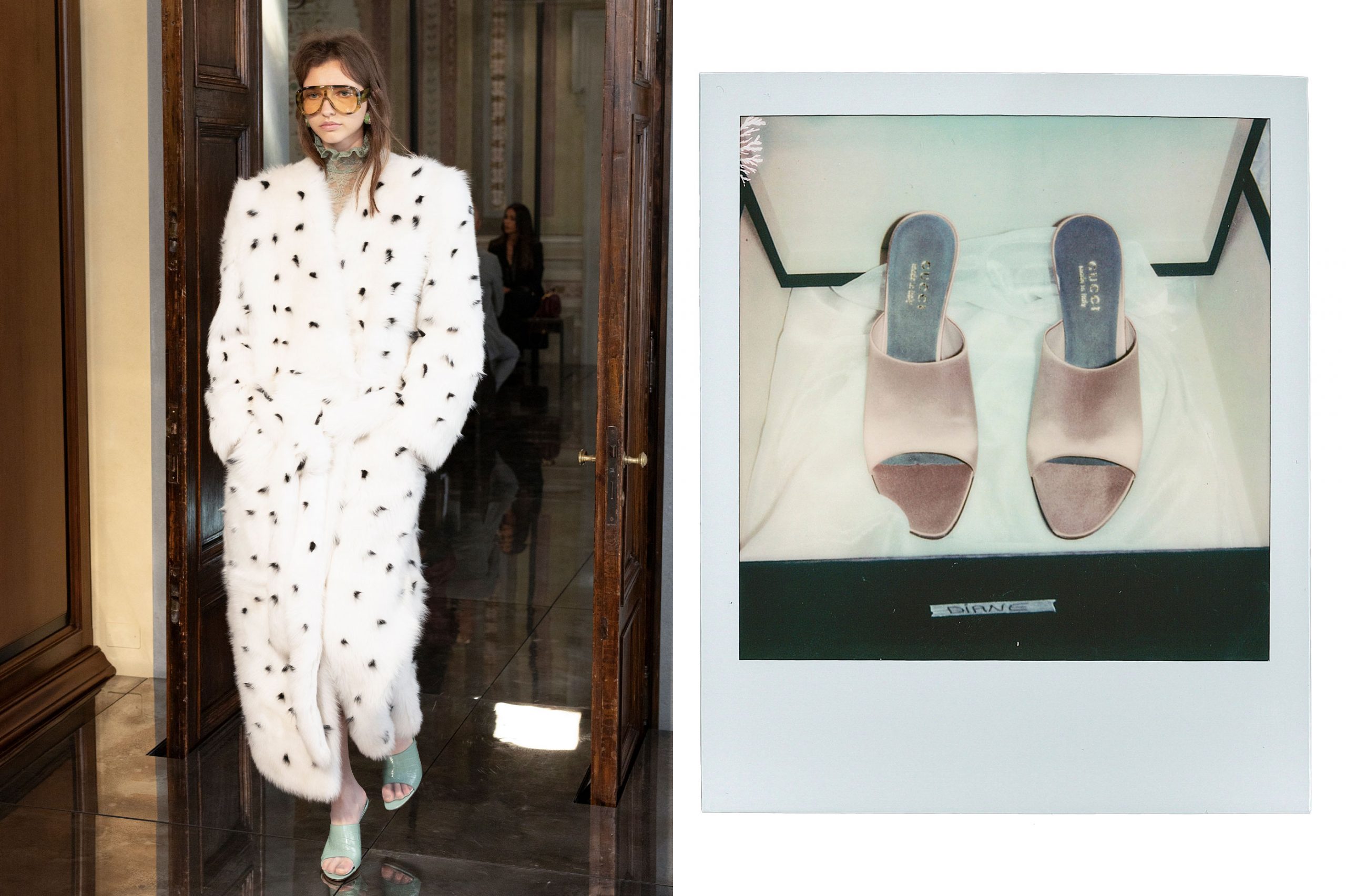
Last May, Gucci demonstrated this shift by hosting its Cruise 2026 show at the Palazzo Settimanni, home to the Gucci Archive, which holds approximately 46,000 pieces and documents. CEO Stefano Cantino mentioned the selective openness of the archive, emphasizing that such access is earned rather than bought.
Similarly, at the Venice Film Festival last September, Armani introduced its Armani/Archivio digital platform to celebrate its 50th anniversary, making accessible over 200 collections and 30,200 archived items, framed as a rare gesture of openness.
Efforts to democratize fashion have surfaced through projects like Lyas Medini's La Watch Party, which invites fans to attend fashion events in major cities. Bottega Veneta even livestreamed its Fall 2026 show to inclusively reach those unable to secure an invite.
As competition for consumer attention intensifies among luxury brands, mere product excellence may no longer suffice. With billions invested in marketing and celebrity collaborations, unique access to brand experiences is increasingly viewed as essential in retaining consumer interest.
This trend of transparency and proximity allows fashion houses to reinforce their heritage and authenticity, which is crucial in a time when brand credibility is scrutinized. By publicizing archival materials, companies like Gucci are not just improving consumer intimacy; they are also enhancing their cultural relevance.
Understanding the details behind luxury products, such as the craftsmanship of an Hermès bag or the logistics of a Margiela exhibition, deepens consumer appreciation. Thus, sharing archival insights is not merely a marketing tactic; it serves as a strategic business move, demonstrating that knowledge of fashion operations enhances its overall stature and allure.