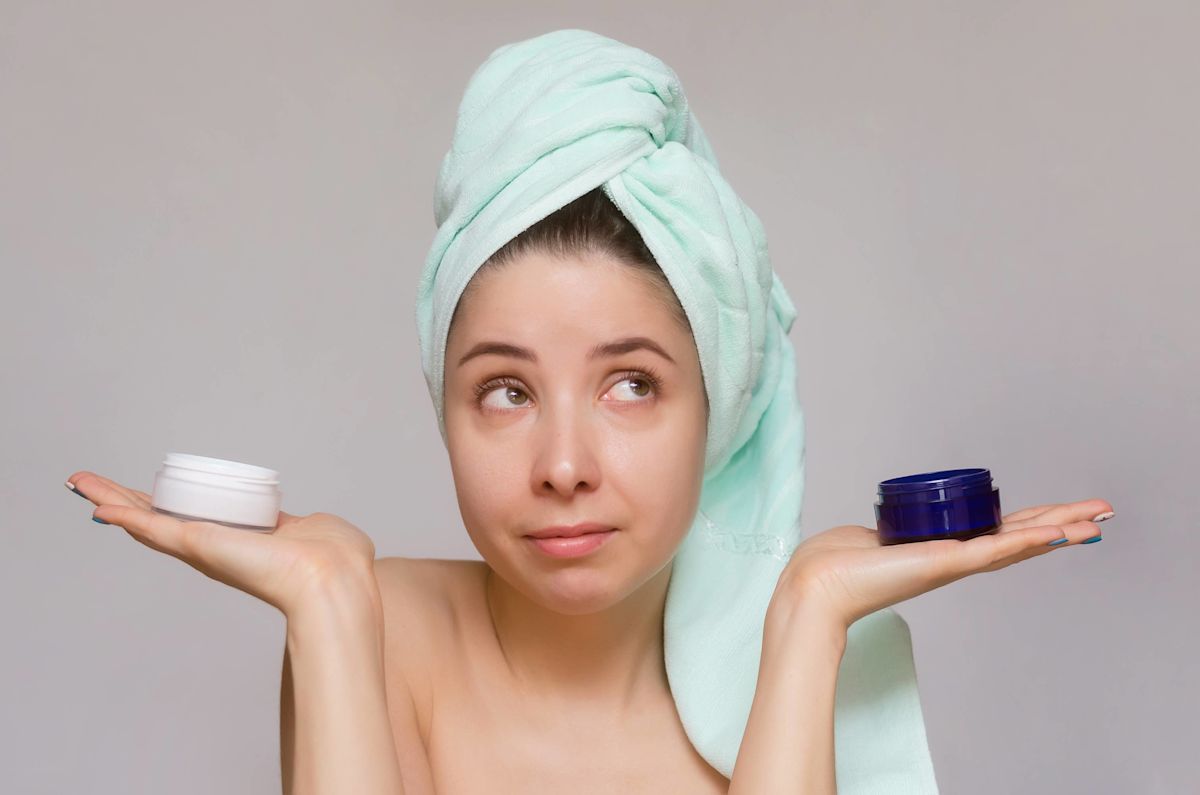
A common debate in skincare revolves around whether expensive products offer better results than their drugstore counterparts. To provide clarity, seven board-certified dermatologists shared their insights. Notably, they largely agreed: price is not a reliable indicator of a product's effectiveness.
Read More
Dr. Sejal Shah stated plainly that cost does not determine efficacy. Instead, Dr. Whitney Hovenic emphasized that the formula is what really counts. Factors such as the active ingredients, their concentrations, the stability of the formula, and its suitability for your skin type are crucial. She suggested, "A simple, well-designed routine with proven ingredients can outperform an expensive 10-step routine very easily."
Dr. Danny Guo pointed out that while some high prices reflect solid scientific backing, others may stem from marketing hype. He noted, however, that effective products exist across all price ranges. Dr. Alicia Zalka further highlighted that consumers might find more satisfaction from fragrance, packaging, and overall experience instead of stronger active ingredients.
When asked about luxury skincare, some dermatologists mentioned that part of what consumers pay for includes the sensory pleasure associated with high-end products. Dr. Hovenic advised potential buyers to consider whether they are purchasing a product for its clinical efficacy or simply for aesthetic appeal.
Among categories worth considering for splurging, dermatologists pointed to vitamin C serums, particularly stabilized forms like L-ascorbic acid. Dr. Shah noted the importance of formulation, as vitamin C can degrade quickly, making higher-quality products more lasting. Dr. Guo specifically recommended SkinCeuticals Phloretin CF as a gold standard in vitamin C products.
Retinoids are another category where spending may yield effective results, with scientists confirming that more sophisticated formulations can enhance stability and reduce irritation. Both Dr. Reszko and Dr. Zalka highlighted the importance of leave-on treatments, especially since they stay in contact with the skin longer, enhancing their potential benefits.
Conversely, dermatologists agree that cleansers and many basic moisturizers do not require high price tags. Dr. Zalka emphasized that since cleansers are rinsed off almost immediately, their price should be less of a concern. In a similar vein, affordable moisturizers containing hydrating ingredients like ceramides, glycerin, and hyaluronic acid rank high on the list of budget-friendly buys.
Sunscreens present a slightly mixed view, with some experts suggesting that higher-priced formulas containing additional beneficial ingredients can be worthwhile. However, Dr. Shah firmly advised that effective sun protection is attainable in budget-friendly options as well.
When it comes to the distinction between medical-grade and over-the-counter products, Dr. Guo clarified that "medical grade" is more of a marketing term, with no regulatory backing that distinguishes it from OTC options. True innovation often comes from prescription-strength products that require professional guidance, especially for conditions like acne or rosacea.
In summary, the key takeaway from these dermatologists is that while some skincare products are worth splurging on due to their formulation and efficacy, many effective options exist at lower price points. The focus should be on creating a consistent and effective skincare routine tailored to individual needs.