Researchers at UCLA have created a new mineral sunscreen formulation that significantly reduces the white chalky residue commonly associated with zinc oxide products. This improvement could encourage broader daily usage of sunscreen, particularly essential for preventing skin cancer, the most common type of cancer in the United States.
Read More
A study by the UCLA Health Jonsson Comprehensive Cancer Center found that adjusting the shape of zinc oxide particles can enhance cosmetic appearance without introducing new chemical ingredients. Traditional zinc oxide tends to leave a stark white or gray cast, deterring many users from applying sunscreen consistently. However, the engineered zinc oxide particles are shaped like microscopic tetrapods, which provide effective protection against ultraviolet radiation while minimizing visible residue.
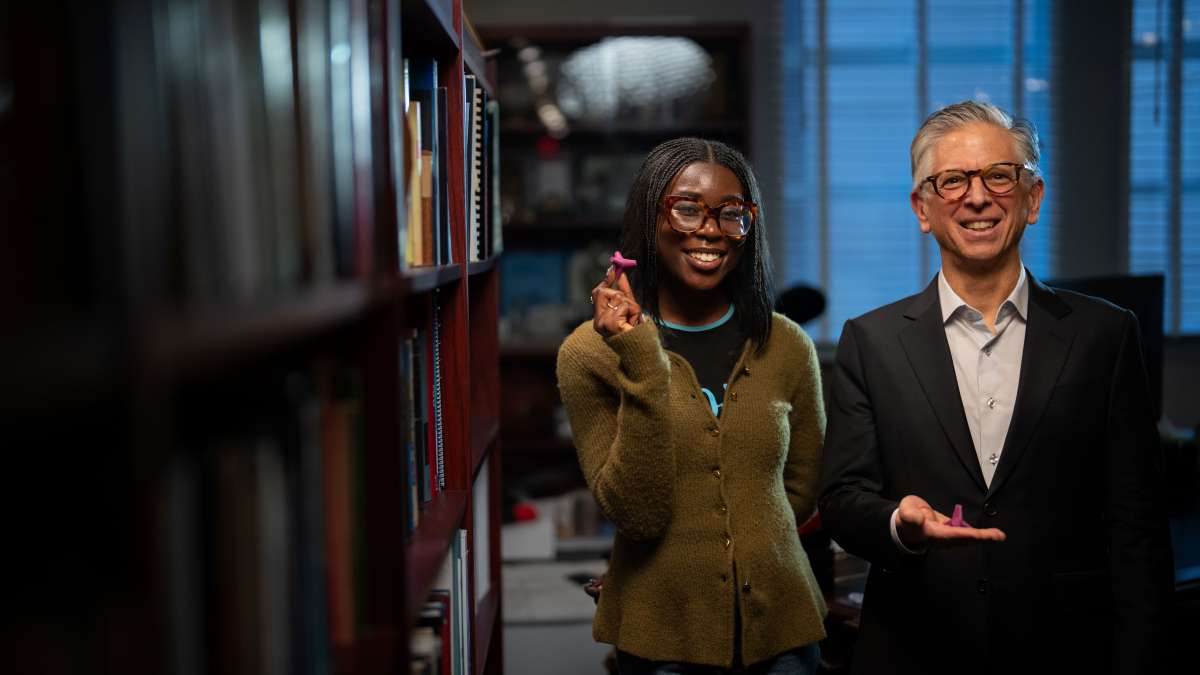
Senior author Paul S. Weiss, a distinguished professor at UCLA and an investigator at the cancer center, highlighted the potential impact of improved sunscreen appearance on public health. This change could encourage more consistent use, especially among individuals with darker skin tones, who often forego sunscreen and face higher risks of late-stage skin cancer diagnosis.
AJ Addae, the study's first author and a doctoral candidate in chemical biology at UCLA, expressed a personal motivation for the research. Frustrated by the cosmetic effects of mineral sunscreen on darker skin, Addae's experience underscores the need for more user-friendly formulations.
The study demonstrated that the new tetrapod-shaped zinc oxide particles remain evenly distributed in sunscreen, preventing clumping that creates visible residues. When tested, the new formulation achieved a sun protection factor (SPF) of about 30, comparable to typical mineral sunscreens, and showed improved stability over time.
In controlled applications, the new formulation reflected light in a way that appeared closer to natural skin tones, eliminating the need for additional coatings or pigments to mask the white cast. Addae noted a distinct improvement when applying the new sunscreen on his own skin.
Weiss remarked on the rapid success of the formulation, which showed immediate differences during early tests. While further research is required before market release, the findings highlight a promising advance in blending materials science with cancer prevention strategies.
The research team is collaborating with the UCLA Health department of dermatology and the Skin of Color Clinic to explore the interactions between these new particles and the skin microbiome. The study involved contributions from co-authors Jennifer Uyanga, Justin Caram, and Yogendra Kumar Mishra and was partly funded by the National Science Foundation and other initiatives.