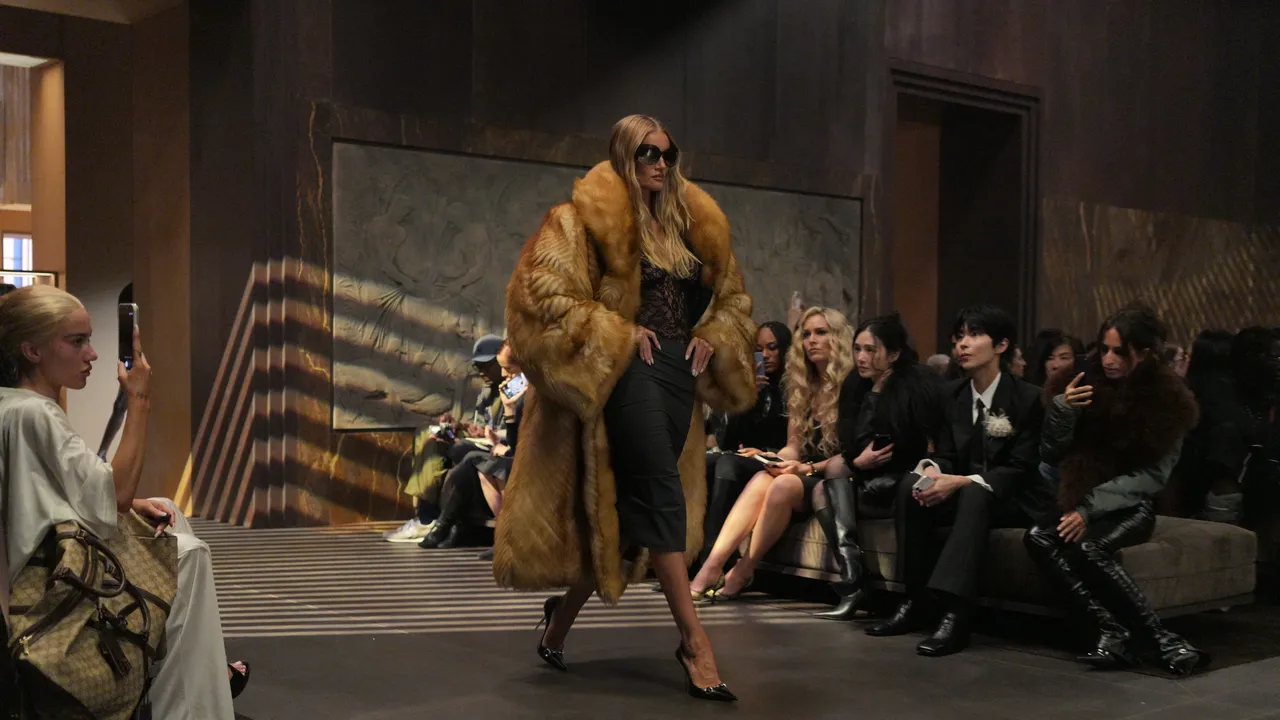
Milan Fashion Week commenced on September 25, 2026, with the Prada show, setting the stage for a week filled with contrasting interpretations of Italian style. Notable shows included Demna's third presentation for Gucci and the debut of designers Loris Messina and Simone Rizzo at Moschino, both of which explored themes of authenticity against the backdrop of Milan's diverse character.
Read More
At Gucci, Demna described the show as the moment his complete vision for the brand would become apparent. In a letter to the press, he highlighted Gucci’s commitment to creating a glamorous world that reflects personal identity. He designed the venue to resemble a quintessential Gucci store, providing a playful atmosphere that attracted notable attendees like Keke Palmer and Bianca Jagger. However, the event also raised commentary on Gucci's ongoing financial struggles, as many speculated about the brand's declining sales under parent company Kering.
Demna’s approach to Gucci has shifted towards acknowledging its bourgeois connections. His previous projects have included films and shows that depict various perceptions of wealth. This latest presentation aimed to connect with a broader audience, showcasing a range of Gucci wearers, from elite socialites to everyday consumers. Although the display creatively portrayed Florentine glamour and offered an inclusive view of fashion, some critiques suggested it resembled a caricature of taste rather than an invitation to engage with the brand.
The Gucci show featured a mix of models, including supermodels and influencers. Tina Leung, who participated in the runway for the first time, expressed excitement about the fresh perspective Demna brings to Gucci, reflecting contemporary culture.
In contrast, the Moschino show later that day set out to present a more grounded and authentic representation of Milan. Messina and Rizzo enlisted hundreds of local participants to walk the runway in their own clothing, with professional models moving against the crowd. This approach emphasized community over high concept, showcasing the richness of Milan's independent fashion scene.
Photographer Giacomo Cabrini commented on the importance of showcasing diverse personal styles that represent a broader narrative of Milanese fashion. The collective presentation created an engaging experience that celebrated the uniqueness of individual identities within a common community.
Overall, both Gucci and Moschino’s shows contributed to the understanding of Milan's complexities, illustrating that the city’s fashion scene resists a singular identity and instead thrives on diversity.