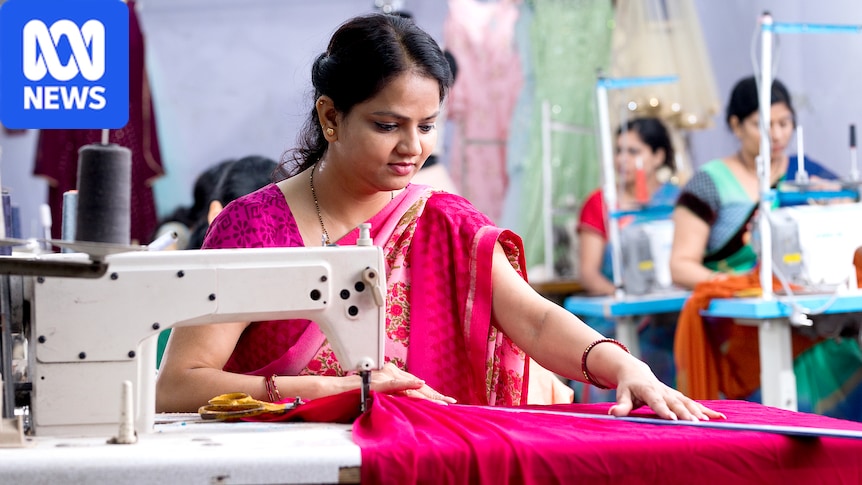
A recent report from Baptist World Aid indicates that ethical practices in the Australian fashion industry have stalled, achieving only a 0.2 percent improvement over the past two years. The organization’s 11th Ethical Fashion Report analyzes 500 brands using 48 criteria, including governance, supply chain tracing, and environmental sustainability. The findings, released on October 20, 2026, showed that brands averaged a score of 31.5 out of 100.
Read More
Katherine Halliday, Baptist World Aid’s ethical fashion lead, remarked that while brands have made commitments to improve supply chains, they often fail to implement meaningful changes for workers. Although 93 percent of companies have policies for workers’ rights and sustainability, they lack visibility beyond direct suppliers. Halliday highlighted that almost no garment workers in the supply chain receive a living wage, which she emphasized is essential for meeting basic needs.
The report also found that grievance mechanisms, intended to support workers, are accessible to only 20 percent of workers at fewer than a quarter of the brands assessed. Outdoor and technical brands, like Patagonia, received higher scores—Patagonia scored 70 points—indicating a stronger commitment to ethical practices.
Interestingly, luxury brands (averaging 38.63) scored only slightly better than fast fashion brands (averaging 37.91). While 38 percent of brands used sustainable fibers, the overall increase in fiber production, particularly of petroleum-based synthetics, overshadowed any environmental benefits.
Experts suggest that consumer awareness and modern slavery legislation are improving brand transparency, but real change requires focus on critical areas like living wages. Harriette Richards from RMIT University noted the difficulty for fast fashion brands to be considered truly sustainable due to the nature of mass production.
Only 7 percent of brands achieved a perfect score in responsible purchasing practices, suggesting that short timelines and pressure on suppliers can lead to unethical labor practices. Both Halliday and Richards advocate for stronger government regulations and collective consumer action to pressure brands toward ethical practices.
An activewear brand, Lorna Jane, noted the industry's interdependence on shared suppliers, calling for collaborative efforts to address these challenges, rather than viewing them as competitive disadvantages. Meanwhile, discussions around sustainability continue to evolve, with experts urging a focus on responsible import practices rather than relying solely on recycling initiatives.